Best Crops to Grow for Profit in Kenya

Best Crops to Grow for Profit in Kenya Agriculture remains an important source of income and employment in Kenya. Many farmers grow crops for local markets, supermarkets, processors, and export businesses. However, choosing the right crop can make a significant difference to farm profitability. The best crops to grow for profit in Kenya depend on climate, soil conditions, water availability, and market demand. Furthermore, farmers should consider production costs, transport, and the time required before harvesting. This guide explores ten crops that Kenyan farmers can consider for commercial farming. 1. Tomatoes Tomatoes are popular in Kenyan households, restaurants, hotels, and food businesses. Consequently, farmers can find markets in many towns and cities. Tomatoes can also provide income within a relatively short growing period under suitable conditions. However, tomato farming requires careful management. Farmers must control pests, diseases, and irrigation. Additionally, tomatoes spoil quickly after harvesting. Therefore, identifying reliable buyers before planting can help reduce losses. 2. Onions Onions are widely used in Kenyan cooking. Households, restaurants, retailers, and food processors create demand throughout the year. Moreover, properly cured onions can last longer than many fresh vegetables. Farmers should choose suitable onion varieties for their regions. They must also prepare well-drained soil and manage water carefully. Before planting, compare local market prices and the expected harvest period. 3. Potatoes Irish potatoes are important food crops in Kenya. They supply households, hotels, restaurants, and food-processing businesses. In suitable highland areas, potato farming can offer opportunities for commercial production. Nevertheless, farmers should use certified seed potatoes where available. Crop rotation and disease management are also essential. In addition, identify buyers who need particular potato sizes and varieties before investing. 4. Horticultural Vegetables Kale, spinach, cabbage, and indigenous vegetables are popular choices for small-scale farmers. They can supply local markets, grocery shops, schools, and restaurants. Some leafy vegetables also allow repeated harvesting, depending on the crop. However, profitability depends on consistent production and market access. Farmers need reliable water and effective pest control. Furthermore, staggered planting can help provide regular supplies instead of harvesting everything at once. 5. Watermelon Watermelon can be suitable for farmers with warm conditions and enough land. The crop supplies fruit vendors, open-air markets, supermarkets, and individual consumers. Additionally, watermelon can mature within a few months under favourable growing conditions. However, the crop needs suitable soil, adequate moisture, and proper spacing. Farmers should also plan transportation because mature watermelons are bulky. Before planting, confirm demand and estimate delivery costs to nearby markets. 6. Avocados Avocados offer opportunities for both domestic and export markets. Kenyan farmers can sell fruit to traders, retailers, and approved exporters. Furthermore, established avocado trees can produce fruit for several years when properly managed. However, avocado farming requires patience. Trees take time to mature and begin producing commercial harvests. Farmers should select varieties suited to their locations and investigate buyer requirements before establishing an orchard. 7. Passion Fruit Passion fruit is used in juices, desserts, and fresh-fruit sales. It can be grown commercially in suitable parts of Kenya. Moreover, juice processors and fresh-produce traders may provide potential markets. Successful production requires suitable varieties, strong support structures, and effective disease control. Farmers should also consider the cost of seedlings, trellises, fertilisers, and labour. Reliable buyers can help reduce the risk of unsold fruit. 8. French Beans French beans are grown for local consumption and export markets. They can offer opportunities for farmers who meet strict quality requirements. However, export production may require contracts, traceability, and compliance with food safety standards. Farmers should confirm market access before planting. They must also organise harvesting and transport carefully because the crop is perishable. Working with reputable buyers can help clarify prices, grading rules, and delivery schedules. 9. Garlic Garlic is used in homes, restaurants, and food businesses. It may offer opportunities where local demand exceeds available supplies. Additionally, properly dried and stored garlic can remain usable longer than many fresh crops. However, garlic requires suitable planting material and careful crop management. Farmers should research locally adapted varieties and the cost of production. They should also confirm whether buyers prefer local garlic or imported alternatives. 10. Herbs and Culinary Spices Herbs such as coriander, basil, and mint can serve restaurants, hotels, retailers, and specialist markets. Some farmers can also explore supplying packaged-herb businesses. These crops may suit smaller plots when water and market access are available. Nevertheless, herbs require consistent quality and careful handling. Some varieties need frequent harvesting and rapid delivery. Therefore, farmers should establish relationships with buyers before expanding production. How to Choose the Most Profitable Crop in Kenya Choosing a crop requires more than looking at its selling price. Farmers should compare the expected income against all production and marketing expenses. Consider these important factors: Furthermore, calculate your expected profit before investing. Subtract all production, harvesting, packaging, transport, and marketing expenses from your expected sales revenue. Conclusion Several crops can offer commercial farming opportunities in Kenya, including tomatoes, onions, potatoes, vegetables, watermelons, avocados, passion fruit, French beans, garlic, and culinary herbs. However, no crop guarantees a profit. The best choice depends on local conditions, production costs, market access, and farming skills. Therefore, research your market and prepare a realistic budget before planting. With careful planning and good crop management, farmers can build sustainable agricultural businesses and improve their household incomes.
Best Tourist Attractions in Kenya
Kenya is one of Africa’s most exciting travel destinations. The country offers incredible wildlife, beautiful beaches, breathtaking landscapes, and rich cultural traditions. Every year, visitors explore its national parks, mountains, lakes, and historic towns. Moreover, Kenya provides unforgettable experiences for families, adventure lovers, photographers, and nature enthusiasts. Whether you want a wildlife safari or a relaxing beach holiday, Kenya has something special for you. Discover the best tourist attractions in Kenya and start planning your next adventure. 1. Maasai Mara National Reserve: The Ultimate Wildlife Safari The Maasai Mara National Reserve is among Kenya’s most famous tourist attractions. It attracts visitors who want to experience Africa’s spectacular wildlife. The reserve is home to lions, elephants, leopards, buffaloes, and rhinoceroses. Visitors can also spot cheetahs, giraffes, zebras, and numerous bird species. Furthermore, the Maasai Mara hosts the famous Great Wildebeest Migration. During this natural spectacle, wildebeest and zebras move between Tanzania’s Serengeti and the Maasai Mara. Visitors can enjoy guided game drives, photography, and cultural experiences with local Maasai communities. Therefore, the reserve offers an excellent destination for anyone seeking an authentic African safari. 2. Amboseli National Park: Amazing Views of Mount Kilimanjaro Amboseli National Park is another outstanding destination for wildlife lovers. It lies in southern Kenya, near the Tanzanian border. The park is famous for its large elephant herds and magnificent views of Mount Kilimanjaro. On clear days, visitors can photograph elephants against the mountain’s snow-capped summit. Additionally, Amboseli supports many other animals, including giraffes, zebras, lions, and various bird species. Its wetlands and open plains create beautiful scenery for wildlife observation. For the best experience, consider an early-morning game drive. The cooler temperatures and morning light often provide excellent wildlife-viewing and photography opportunities. 3. Diani Beach: A Tropical Paradise on the Kenyan Coast Diani Beach is one of Kenya’s most beautiful coastal destinations. Located south of Mombasa, it features white sandy beaches, turquoise waters, and swaying palm trees. The beach is ideal for swimming, sunbathing, and relaxing beside the Indian Ocean. Visitors can also enjoy snorkelling, diving, and selected water sports. Furthermore, nearby marine environments offer opportunities to discover colourful fish and coral reefs. Local restaurants serve fresh seafood and delicious Swahili-inspired dishes. Diani Beach is particularly suitable for couples, families, and travellers seeking a peaceful holiday. Consequently, it remains a popular choice for beach vacations and romantic getaways. 4. Mount Kenya: A Destination for Adventure Lovers Mount Kenya is the highest mountain in Kenya and the second-highest in Africa. Its dramatic peaks, forests, and alpine landscapes attract hikers and nature enthusiasts. The mountain offers several trekking routes with different difficulty levels. Visitors can explore forest trails, mountain streams, rocky slopes, and unique high-altitude vegetation. Moreover, Mount Kenya National Park protects diverse wildlife and important natural habitats. The surrounding scenery provides excellent opportunities for photography and outdoor exploration. However, climbing the highest peaks requires preparation, suitable equipment, and proper acclimatisation. Travellers should choose routes that match their fitness and experience. 5. Lake Nakuru National Park: A Haven for Birds and Wildlife Lake Nakuru National Park is a wonderful destination for birdwatching and wildlife safaris. Located in Kenya’s Rift Valley, the park surrounds a scenic alkaline lake. The lake has attracted large numbers of flamingos at various times. However, their numbers change with water levels and food availability. Besides birds, visitors may see white and black rhinoceroses, Rothschild’s giraffes, buffaloes, and zebras. The park’s viewpoints also provide beautiful views across the lake and surrounding landscapes. Therefore, Lake Nakuru is an excellent destination for travellers who enjoy nature, photography, and wildlife conservation. 6. Tsavo National Parks: Explore Kenya’s Vast Wilderness Tsavo East and Tsavo West National Parks form one of Kenya’s largest protected wildlife areas. Together, they offer extensive landscapes and rewarding safari experiences. Tsavo East features open plains, red-dust-covered elephants, and the Galana River. Meanwhile, Tsavo West offers rugged hills, volcanic scenery, and the famous Mzima Springs. Visitors can enjoy game drives while searching for elephants, lions, giraffes, and other wildlife. The parks also provide opportunities to explore different ecosystems. Additionally, their vast landscapes often create a sense of adventure and solitude. Tsavo is an excellent option for travellers seeking a less crowded wilderness experience. 7. Lamu Old Town: Discover Kenya’s Cultural Heritage Lamu Old Town is one of Kenya’s most fascinating historical destinations. Located on Lamu Island, it is recognised as a UNESCO World Heritage Site. The town features narrow streets, traditional Swahili architecture, carved wooden doors, and historic buildings. Its heritage reflects centuries of interaction between African, Arab, Indian, and European cultures. Visitors can explore local markets, discover historic landmarks, and experience traditional coastal life. Dhow boat trips also offer a memorable way to explore the surrounding waters. Moreover, Lamu provides a slower pace than many modern cities. It is ideal for travellers interested in history, architecture, and cultural experiences. 8. Hell’s Gate National Park: Adventure in the Great Rift Valley Hell’s Gate National Park offers a different experience from traditional Kenyan safaris. Located near Naivasha, the park is famous for dramatic cliffs, gorges, and volcanic landscapes. Unlike many other national parks, visitors can explore selected areas on foot or by bicycle. However, they should follow park regulations and observe wildlife-safety guidance. The park also features impressive rock formations and geothermal activity. Its scenery attracts hikers, cyclists, and adventure enthusiasts. Furthermore, Hell’s Gate is conveniently located near Lake Naivasha. Travellers can combine both destinations for an exciting day trip or weekend getaway. 9. Nairobi National Park: Wildlife Near the Capital City Nairobi National Park is a unique wildlife destination situated close to Kenya’s capital. It allows visitors to experience a safari without travelling far from the city. The park protects lions, giraffes, buffaloes, zebras, and several other species. Its open grasslands create a striking contrast with Nairobi’s modern skyline. Additionally, visitors can explore nearby conservation attractions, including the David Sheldrick Wildlife Trust’s elephant-related conservation activities, subject to visitor arrangements. Nairobi National Park is ideal for travellers with limited time. It also offers a convenient introduction to
House Development Planning : A Complete Guide to Building Your Dream HomeHouse development planning is the foundation of a successful home construction project. It helps homeowners transform their ideas into functional, comfortable, and beautiful living spaces. Moreover, proper planning controls costs, improves efficiency, and reduces construction delays. Whether you intend to build a family home or an investment property, preparation matters. Therefore, understanding each stage of house development helps you make informed decisions. With the right approach, you can create a home that meets your needs and long-term goals. Understanding House Development Planning House development planning involves organizing every aspect of a residential construction project. It covers land selection, architectural design, budgeting, approvals, construction, and finishing. First, identify your household’s needs and preferred lifestyle. Consider the number of bedrooms, bathrooms, living areas, and outdoor spaces. Additionally, think about accessibility, privacy, natural lighting, and future family requirements. A clear development plan provides direction throughout the building process. Consequently, it becomes easier to coordinate professionals, manage resources, and monitor progress. Choosing the Right Location and Plot Location significantly influences your home’s comfort, value, and accessibility. Therefore, evaluate several factors before purchasing land. Consider proximity to schools, hospitals, shopping centres, workplaces, and transport networks. Also, assess road access, drainage, security, and the availability of essential utilities. Before committing to a purchase, verify the property’s ownership documents. Check applicable land-use restrictions and confirm that residential development is permitted. Furthermore, assess the soil conditions and topography to determine construction suitability. A professional surveyor can help establish the boundaries and identify potential site challenges. Meanwhile, a qualified engineer can assess ground conditions and recommend suitable foundations. Developing an Architectural Design Architectural design transforms your requirements into a practical house layout. At this stage, work with a qualified architect to develop suitable plans. Start by determining the preferred house size, architectural style, and room arrangement. Next, consider how people will move between different spaces. An efficient layout improves privacy, circulation, ventilation, and everyday convenience. Natural lighting should also influence your design decisions. For example, strategically positioned windows can brighten rooms and reduce daytime electricity consumption. Similarly, appropriate orientation can improve indoor comfort. Additionally, consider energy efficiency and sustainable building materials. Water-saving fixtures, rainwater harvesting, and solar power may reduce long-term operating costs. Preparing a Realistic House Construction Budget Budgeting is one of the most important stages of house development planning. A realistic financial plan helps prevent unnecessary spending and incomplete construction projects. Begin by estimating the cost of land, professional services, materials, and labour. Include expenses for permits, utility connections, transportation, and site preparation. Your budget should also cover roofing, plumbing, electrical installations, flooring, painting, and interior finishes. Moreover, account for landscaping, fencing, and external drainage where necessary. Always maintain a contingency fund for unexpected expenses. The appropriate amount depends on the project’s complexity and risk level. To improve financial control, request detailed quotations from several reputable contractors. Compare material specifications, labour charges, timelines, and payment terms before making commitments. Obtaining Building Approvals and Permits Before construction begins, ensure your project meets the applicable legal requirements. Approval procedures vary depending on your location and the nature of the development. In Kenya, consult the relevant county government about development permission and building-plan approval. Also, establish whether your project requires additional environmental, public health, or other regulatory approvals. Work with qualified professionals who understand the applicable building regulations. They can help prepare the required drawings, technical documents, and supporting applications. Furthermore, confirm that your contractor follows approved plans and relevant safety standards. Proper documentation helps reduce compliance problems and costly alterations. Selecting Reliable Contractors and Suppliers The quality of your construction team directly affects the final outcome. Therefore, choose contractors based on experience, qualifications, references, and professional conduct. Request previous project examples and contact former clients where possible. Additionally, verify relevant registrations and professional credentials before signing agreements. Your construction contract should clearly define the scope of work, project timeline, payment schedule, and quality expectations. It should also explain how variations, delays, and disputes will be handled. Likewise, select suppliers who provide suitable materials at competitive prices. Consistent material quality supports structural performance, durability, and finishing standards. Managing the House Construction Process Effective project management keeps construction activities organized and accountable. Begin by establishing a realistic schedule for every major building stage. Typically, construction progresses through site preparation, foundation work, structural development, roofing, installations, and finishing. However, the precise sequence depends on the approved design and construction method. Monitor progress regularly and compare completed work against the agreed specifications. In addition, maintain records of payments, deliveries, inspections, and approved design changes. Schedule professional inspections at appropriate milestones. Address defects promptly instead of allowing problems to affect subsequent construction stages. Regular communication between the homeowner, architect, engineer, and contractor also prevents misunderstandings. As a result, decisions can be made quickly and delays may be reduced. Incorporating Sustainability and Modern Features Modern house development increasingly emphasizes sustainability, comfort, and efficient resource use. Consequently, consider features that support long-term savings and environmental responsibility. Install energy-efficient lighting and consider suitable solar energy systems. Choose water-efficient fixtures and explore rainwater harvesting where practical. Good insulation, appropriate shading, and natural ventilation can improve indoor comfort. Furthermore, durable materials may reduce maintenance and replacement costs. Smart home systems can also improve convenience and security. However, prioritize essential features before investing in expensive technologies. Final Inspection and Project Handover Before occupying your new home, arrange a thorough final inspection. A qualified professional should assess workmanship, visible defects, and compliance with approved plans. Check doors, windows, plumbing fixtures, electrical fittings, drainage, and finishing details. Additionally, confirm that essential systems operate correctly and outstanding defects receive attention. Obtain relevant completion documentation and applicable occupancy approvals. Keep copies of approved drawings, warranties, inspection reports, and contractor agreements. Finally, prepare a maintenance schedule for roofing, plumbing, electrical systems, and exterior finishes. Regular maintenance protects your investment and helps preserve the property’s value. Conclusion Successful house development planning requires careful preparation, realistic budgeting, professional guidance, and consistent supervision. Every decision influences
Diani Holiday Packages: Discover the Perfect Kenyan Beach Getaway
Diani holiday packages offer the perfect opportunity to escape busy city life and enjoy Kenya’s beautiful coastline. Located along the Indian Ocean, Diani Beach attracts visitors with its white sands and turquoise waters. Moreover, its tropical atmosphere makes it ideal for couples, families, friends, and solo travelers. Whether you want a relaxing beach holiday or an adventurous coastal experience, Diani has something special. With the right holiday package, you can enjoy comfortable accommodation, exciting activities, and delicious meals. Therefore, planning your next coastal getaway becomes easier and more enjoyable. Why Choose Diani Holiday Packages? Diani Beach remains one of Kenya’s most popular coastal destinations. Its natural beauty, warm climate, and welcoming hospitality attract local and international tourists. Furthermore, the destination offers accommodation options for different budgets and travel preferences. Diani holiday packages combine convenience with memorable experiences. Depending on your chosen package, you can enjoy hotel accommodation, meals, transport, and guided excursions. Consequently, you spend less time organizing individual arrangements and more time enjoying your holiday. The destination also suits different travel styles. Couples can enjoy romantic beachfront dinners, while families can explore exciting outdoor activities. Meanwhile, groups of friends can experience water sports, nightlife, and beachside entertainment. Types of Diani Holiday Packages Available Choosing the right package depends on your budget, travel dates, and preferred activities. Fortunately, Diani offers several holiday options to suit different needs. 1. Budget-Friendly Diani Holiday Packages Budget-friendly Diani holiday packages help travelers enjoy the coast without overspending. These packages may include affordable hotels, guesthouses, or self-catering apartments. Additionally, travelers can explore local restaurants and select activities that match their budgets. Booking early can help you find attractive accommodation rates. Similarly, traveling during quieter periods may offer better value. However, always confirm what your package includes before making a payment. 2. Luxury Diani Beach Holiday Packages Luxury holiday packages provide comfort, privacy, and premium hospitality. Many upscale resorts offer beachfront accommodation, swimming pools, spa treatments, and fine dining experiences. Furthermore, selected packages may include private transfers and personalized excursions. These options suit travelers seeking relaxation and exceptional service. Therefore, luxury accommodation can transform an ordinary getaway into a memorable coastal retreat. 3. Romantic Diani Holiday Packages for Couples Diani offers a beautiful setting for romantic holidays, anniversaries, and honeymoons. Couples can enjoy peaceful beach walks, sunset views, and intimate dinners by the ocean. Some resorts provide honeymoon arrangements and romantic room decorations. Depending on availability, couples may also book couples’ massages or private excursions. Consequently, Diani creates opportunities for meaningful experiences away from everyday routines. 4. Family Diani Holiday Packages Families can enjoy a coastal holiday filled with relaxation and adventure. Family-friendly accommodation may provide spacious rooms, swimming pools, and activities suitable for children. Moreover, families can explore marine attractions, enjoy beach games, and participate in selected water activities. Parents should confirm age restrictions and safety arrangements before booking excursions. With suitable planning, everyone can enjoy a comfortable and entertaining holiday. Best Activities to Include in Your Diani Holiday Package A memorable Diani holiday involves more than relaxing beside the ocean. The destination offers several activities that make every day exciting. Enjoy Water Sports and Ocean Adventures Diani Beach provides opportunities for snorkeling, diving, kite surfing, and other water sports. Visitors can discover marine life while exploring the Indian Ocean with qualified guides. Additionally, selected operators offer boat excursions and dolphin-watching trips. However, wildlife sightings are never guaranteed. Always choose reputable operators who prioritize marine conservation and visitor safety. Explore Wasini Island Wasini Island offers a rewarding excursion for travelers interested in coastal scenery and marine experiences. Many tours combine boat trips, snorkeling opportunities, and visits to local attractions. Furthermore, visitors can discover aspects of Swahili coastal culture during guided excursions. Check whether transport, meals, entrance fees, and activity equipment are included before booking. Experience Local Culture and Cuisine Diani provides opportunities to enjoy Kenya’s coastal food and culture. Visitors can sample Swahili dishes featuring fresh seafood, coconut, rice, and aromatic spices. You can also explore local markets and discover handmade crafts. Meanwhile, conversations with local guides can provide valuable insights into the region’s traditions. These experiences add cultural depth to your beach holiday. How Much Do Diani Holiday Packages Cost? The cost of Diani holiday packages depends on accommodation, travel dates, transportation, and included activities. Budget accommodation generally costs less than luxury beachfront resorts. Additionally, meal plans can significantly influence the overall price. Bed-and-breakfast packages may cost less than full-board or all-inclusive arrangements. Transport costs also vary depending on whether you travel by road, train, or air. To manage your budget effectively, compare several packages before choosing one. Request a detailed quotation covering accommodation, meals, transfers, and excursions. Also, check for additional charges that might affect your final expenses. Since prices change with demand and seasonality, confirm current rates directly with your travel provider. When Is the Best Time to Visit Diani Beach? Diani welcomes visitors throughout the year, although weather conditions influence different activities. Generally, drier periods offer favorable conditions for beach relaxation and outdoor adventures. January and February often provide warm conditions suitable for coastal holidays. July through September can also offer pleasant opportunities for exploring the coast. However, rainfall patterns vary, so check forecasts before traveling. Furthermore, school holidays and festive seasons can increase accommodation demand. Booking early during these periods can improve your chances of securing preferred rooms. Travelers seeking quieter experiences may consider dates outside major holiday periods. Tips for Booking the Best Diani Holiday Package Finding the right package requires careful planning and comparison. Follow these practical tips to make a confident booking. Additionally, ask for written confirmation of your reservation. This helps prevent misunderstandings about the services you expect to receive. Book Your Diani Holiday Package Today Diani holiday packages make it easier to experience Kenya’s stunning coastline while enjoying comfort and convenience. From affordable beach escapes to luxurious romantic retreats, there are options for different travelers and budgets. Whether you prefer ocean adventures, cultural discoveries, or peaceful days beside the beach, Diani offers plenty of
Digital Marketing in DRC
Digital marketing in DRC is transforming how businesses connect with customers. Across the Democratic Republic of Congo, companies are increasingly exploring online platforms to promote their products and services. As a result, digital marketing offers new opportunities for entrepreneurs, startups, and established brands. Moreover, businesses can reach wider audiences through social media, search engines, websites, and digital advertising. These tools also help companies build stronger relationships with customers. Therefore, understanding digital marketing strategies is essential for businesses seeking sustainable growth in the Congolese market. Why Digital Marketing Matters in the Democratic Republic of Congo The Democratic Republic of Congo has a growing digital economy. Although internet access and digital infrastructure vary across regions, online platforms provide valuable opportunities for business promotion. Furthermore, consumers increasingly use smartphones to communicate, discover products, and access information. Businesses can take advantage of these habits by developing effective digital marketing campaigns. Digital marketing also offers several advantages: Consequently, digital marketing can help Congolese businesses compete more effectively in local and international markets. Social Media Marketing in DRC Social media marketing is an important component of digital marketing in DRC. Platforms such as Facebook, Instagram, TikTok, and WhatsApp allow businesses to showcase products and communicate with customers. For example, a clothing brand in Lubumbashi can publish product photographs, share customer testimonials, and announce special offers. Similarly, a restaurant in Kinshasa can use short videos to present its menu and attract new customers. However, businesses should select platforms according to their target audiences. They should also publish useful, engaging, and relevant content consistently. WhatsApp can support direct communication, customer service, and order management. Meanwhile, TikTok and Instagram can help brands increase visibility through creative videos and visual storytelling. Ultimately, an effective social media strategy combines quality content, regular interaction, and clear business objectives. Search Engine Optimization (SEO) for Congolese Businesses Search engine optimization, commonly known as SEO, helps websites appear in relevant search engine results. Businesses that invest in SEO can attract potential customers who are actively searching for their products or services. For instance, a company offering digital marketing services in Kinshasa can optimize its website for relevant search terms. These might include “digital marketing agency in DRC” or “online advertising services in Congo.” To improve SEO performance, businesses should focus on several essential practices: Additionally, local SEO can help businesses reach customers in specific cities. Accurate business information and customer reviews can also strengthen online visibility. Although SEO requires patience, consistent optimization can generate valuable organic traffic over time. Digital Advertising and Online Business Growth Digital advertising allows businesses to promote products through targeted online campaigns. Platforms such as Meta Ads and Google Ads provide tools for reaching specific audiences. For example, a Congolese agricultural business can advertise its chili sauce to potential customers in selected cities. By defining its audience, budget, and campaign objective, the business can use advertising resources more strategically. Nevertheless, successful campaigns require careful planning. Businesses should establish clear objectives before launching advertisements. These objectives may include increasing sales, generating leads, attracting website visitors, or encouraging WhatsApp inquiries. Furthermore, marketers should test different headlines, images, videos, and calls to action. They can then compare results and adjust their campaigns accordingly. Tracking metrics such as click-through rates, conversions, and cost per lead helps businesses make informed decisions. Consequently, digital advertising becomes more effective when companies use performance data to guide their strategies. Content Marketing for Businesses in DRC Content marketing involves creating valuable information that attracts and engages a target audience. It can include blog articles, videos, infographics, tutorials, and educational social media posts. In the Democratic Republic of Congo, businesses can use content marketing to explain their products, answer customer questions, and demonstrate industry expertise. For example, an agricultural brand can publish articles about chili cultivation, food preservation, and sauce preparation. Similarly, a technology company can share practical guides about digital tools and cybersecurity. Moreover, businesses should communicate in languages their audiences understand. Depending on the target market, content may use French, Swahili, Lingala, or other relevant languages. By combining useful information with consistent branding, companies can build trust and encourage customer loyalty. Challenges and Opportunities in Digital Marketing in DRC Despite its potential, digital marketing in DRC faces several challenges. Internet affordability, inconsistent connectivity, digital skills gaps, and payment limitations can affect online business activities. However, these challenges also create opportunities for innovation. Businesses can prioritize mobile-friendly websites, lightweight content, and communication channels that customers already use. Training also plays an important role. Entrepreneurs who develop skills in SEO, social media management, analytics, and digital advertising can improve their marketing decisions. Additionally, agencies and independent professionals can support businesses that lack in-house marketing expertise. Therefore, investing in digital skills and adapting strategies to local conditions can help companies navigate the evolving digital landscape. The Future of Digital Marketing in the Democratic Republic of Congo The future of digital marketing in DRC will depend on technological development, internet accessibility, and business adoption. As digital services expand, companies will have more opportunities to reach customers through online channels. Artificial intelligence, marketing automation, and data analytics may also help businesses personalize communication and improve campaign efficiency. Meanwhile, video content, mobile commerce, and digital customer service are likely to remain important areas for innovation. Businesses that embrace experimentation and continuous learning can position themselves for future growth. Nevertheless, effective marketing will still require customer understanding, creativity, and reliable service. Conclusion: Building a Strong Digital Presence in DRC Digital marketing in DRC offers businesses practical ways to increase visibility, attract customers, and strengthen their brands. Through social media marketing, SEO, digital advertising, and content creation, companies can develop a competitive online presence. However, success requires more than simply creating social media accounts. Businesses must understand their audiences, establish measurable objectives, and evaluate their results consistently. Ultimately, companies that adapt digital marketing strategies to the Congolese market can discover new opportunities for sustainable business growth.
House for Sale in Kilimani: Discover Modern Living in Nairobi
Finding the perfect house for sale in Kilimani offers an exciting opportunity to enjoy comfort, convenience, and modern living. Kilimani is one of Nairobi’s most sought-after residential neighborhoods. It attracts homeowners, families, professionals, and property investors. Moreover, the neighborhood combines an excellent location with modern amenities and convenient access to essential services. Whether you want a family home or a valuable real estate investment, Kilimani offers attractive property opportunities. Why Buy a House in Kilimani, Nairobi? Kilimani stands out for its strategic location and established residential environment. The neighborhood offers convenient access to business districts, shopping centers, schools, hospitals, and entertainment venues. Consequently, residents can enjoy a balanced lifestyle without traveling long distances for everyday needs. The area also features diverse residential properties, ranging from contemporary townhouses to spacious standalone homes. Furthermore, Kilimani appeals to buyers seeking convenience and long-term property ownership. Its established infrastructure and strong residential demand make it worth considering when exploring Nairobi’s property market. Explore Modern Houses for Sale in Kilimani Kilimani offers different property styles to suit various lifestyles and budgets. Therefore, buyers can explore several options before selecting their ideal home. Spacious Family Houses Families often prioritize privacy, comfort, and sufficient living space. Spacious houses in Kilimani can provide multiple bedrooms, comfortable living rooms, and functional kitchen layouts. Additionally, selected properties feature private gardens, balconies, dedicated parking, and outdoor entertainment spaces. These features can make everyday living more comfortable for growing families. Contemporary Townhouses Modern townhouses appeal to buyers who appreciate stylish architecture and practical layouts. Many feature open-plan living areas, contemporary finishes, fitted kitchens, and private outdoor spaces. Moreover, some townhouse developments offer controlled access and shared security arrangements. However, buyers should confirm each property’s amenities and management arrangements before making a decision. Luxury Residential Properties Buyers seeking premium living can explore luxury houses in Kilimani. These properties may feature spacious interiors, elegant finishes, landscaped gardens, and dedicated entertainment areas. Depending on the development, additional features may include smart home systems, private parking, and enhanced security. Nevertheless, buyers should compare specifications carefully because features vary between properties. Benefits of Investing in Kilimani Real Estate Buying a house in Kilimani can provide both lifestyle benefits and potential financial opportunities. However, every investment requires careful evaluation. First, Kilimani enjoys convenient access to important commercial and residential areas across Nairobi. This accessibility can appeal to homeowners and prospective tenants alike. Second, the neighborhood offers a range of residential property types. As a result, investors can assess different opportunities according to their budgets and investment objectives. Third, established amenities support everyday convenience. Shopping centers, restaurants, healthcare facilities, and educational institutions contribute to the area’s residential appeal. Furthermore, properties in desirable locations may offer rental income opportunities. Nevertheless, actual rental returns depend on purchase price, property condition, occupancy, maintenance costs, and prevailing market demand. What to Consider Before Buying a House in Kilimani Before purchasing a property, evaluate the following essential factors to make an informed decision. 1. Property Price and Budget Establish a realistic budget before viewing available houses. Remember to include legal fees, taxes, valuation costs, and potential renovation expenses. Additionally, compare similar properties to understand whether the asking price reflects the property’s location, condition, and features. 2. Location and Accessibility Consider proximity to your workplace, schools, healthcare facilities, and shopping destinations. Also, assess traffic conditions and available transport options during your usual travel hours. 3. Security and Property Condition Inspect the property thoroughly before making an offer. Check the structural condition, plumbing, electrical installations, drainage, and security arrangements. Where necessary, engage a qualified professional to conduct an independent inspection. This step can help identify issues that might otherwise lead to unexpected expenses. 4. Legal Documentation Verify the property’s ownership documents and confirm that the seller has the legal authority to transfer ownership. Engage a qualified Kenyan property lawyer to conduct due diligence. Additionally, confirm applicable land restrictions, outstanding charges, and other relevant legal requirements before completing the purchase. 5. Future Resale and Rental Potential Consider the property’s long-term suitability and potential market appeal. Compare rental demand, maintenance requirements, and similar properties in the surrounding neighborhood. However, avoid assuming that property values or rental income will always increase. Instead, base your decision on current evidence and realistic financial projections. Find Your Ideal House for Sale in Kilimani Today Your ideal home should match your lifestyle, budget, and long-term goals. Fortunately, Kilimani offers a variety of residential options for buyers seeking comfort and convenience in Nairobi. Whether you prefer a modern townhouse, a spacious family residence, or a luxury property, careful research can help you identify suitable opportunities. Start by defining your preferred location, budget, bedroom requirements, and essential amenities. Next, arrange property viewings and compare available options before making your final decision. Ultimately, purchasing a house in Kilimani can be a rewarding step toward homeownership or property investment. With proper planning and professional guidance, you can make a confident and informed choice. Looking for a house for sale in Kilimani? Explore available listings, compare property features, and arrange a viewing to find a home that meets your needs.
Car Hire in Nairobi: Affordable, Reliable and Convenient Car Rental Services
Nairobi a vibrant city with exciting attractions, busy business districts, and beautiful destinations nearby. Whether you are visiting for business or leisure, reliable transportation makes every journey easier. Car hire in Nairobi offers the flexibility to explore the city comfortably and travel at your own pace. From airport transfers to family holidays, car rental services provide convenient solutions for different travel needs. Moreover, you can choose a vehicle that suits your budget, schedule, and preferred level of comfort. Why Choose Car Hire Services in Nairobi? Nairobi experiences heavy traffic, especially during peak commuting hours. Therefore, having a reliable vehicle can make daily travel more convenient. Car hire services allow you to plan your movements without depending entirely on public transport. Furthermore, renting a car gives you greater control over your itinerary. You can attend meetings, visit attractions, and explore nearby towns with greater flexibility. Car rental services also accommodate different budgets. For instance, economy cars suit solo travellers, while spacious SUVs offer additional comfort for families and groups. Affordable Car Rental in Nairobi for Every Budget Finding affordable car rental in Nairobi does not mean compromising on quality. Many providers offer different vehicles to match various travel requirements and budgets. Economy cars are ideal for city driving and short business trips. They are generally fuel-efficient and easier to manoeuvre through busy streets. Consequently, they can help reduce transportation expenses. However, travellers seeking additional space may prefer saloon cars, station wagons, or SUVs. These vehicles provide more room for passengers and luggage. Before booking, compare rental rates, mileage limits, fuel policies, and insurance coverage. Additionally, ask about security deposits and any extra charges. Understanding these details helps you select a suitable package without unexpected expenses. Airport Car Hire in Nairobi for Stress-Free Arrivals Arriving in an unfamiliar city can feel overwhelming, especially after a long flight. Airport car hire provides a convenient way to continue your journey from Jomo Kenyatta International Airport. Depending on the provider, you can arrange a self-drive vehicle or request a chauffeur-driven transfer. Both options offer practical solutions for different travel preferences. For business travellers, pre-arranged transportation helps simplify airport transfers and meeting schedules. Similarly, tourists can begin exploring Nairobi without unnecessary delays. Nevertheless, confirm your pickup arrangements before travelling. Share your flight details, arrival time, and contact information with the provider. Also, clarify any airport pickup fees before confirming your reservation. Self-Drive Car Hire in Nairobi for Maximum Freedom Self-drive car hire is an excellent option for travellers who value independence. It allows you to explore Nairobi and surrounding destinations according to your schedule. You can visit shopping centres, restaurants, cultural attractions, and business locations without arranging separate transport for every trip. In addition, self-drive rentals work well for extended stays and personal errands. However, always review the rental agreement before collecting your vehicle. Check the insurance terms, permitted travel areas, mileage restrictions, and breakdown assistance arrangements. Inspect the vehicle carefully and document any existing damage. Furthermore, ensure you understand the fuel policy and vehicle return requirements. Most importantly, carry the appropriate driving documents and follow Kenyan traffic regulations throughout your journey. Chauffeur-Driven Car Hire in Nairobi Chauffeur-driven car hire offers comfort and convenience for travellers who prefer professional driving assistance. It is particularly suitable for corporate executives, special occasions, and visitors unfamilia
The Importance of Technology in Education

Technology has transformed how students learn and teachers deliver lessons. Today, schools use digital tools to improve learning experiences and academic performance. Moreover, technology helps students access educational resources beyond traditional classrooms. In Kenya, digital learning continues to create new educational opportunities. Students can use computers, smartphones, and the internet to access information. Therefore, technology has become an important part of modern education. 1. Improving Access to Educational Resources Technology allows students to access learning materials from different locations. For example, learners can use educational websites, e-books, and online libraries. These resources provide information on many subjects and academic topics. Furthermore, students can research assignments without relying entirely on printed textbooks. Teachers can also share notes and learning materials digitally. As a result, learners gain more opportunities to explore subjects independently. In addition, online learning platforms help students continue studying outside school hours. This flexibility supports learners who need extra time to understand difficult concepts. 2. Making Learning More Interactive Technology makes lessons more engaging through videos, animations, and educational games. These tools help teachers explain complicated concepts using visual examples. Consequently, students can understand and remember information more easily. For instance, science teachers can use simulations to demonstrate experiments. Similarly, geography teachers can use digital maps to explain different locations. These interactive methods encourage students to participate actively in lessons. Moreover, educational applications allow learners to practise questions and receive immediate feedback. Therefore, students can identify mistakes and improve their understanding. 3. Supporting Teachers in the Classroom Technology helps teachers prepare lessons, organize learning materials, and assess student performance. Digital presentations make it easier to explain important ideas. Additionally, teachers can use online resources to develop more effective teaching strategies. Learning management systems also help teachers distribute assignments and monitor progress. These platforms can save time and improve classroom organization. Consequently, teachers can focus more attention on supporting their students. Furthermore, digital communication tools allow teachers to share updates with parents. This cooperation strengthens the relationship between schools and families. 4. Encouraging Independent Learning Technology encourages students to take responsibility for their education. Learners can explore topics, watch tutorials, and complete online exercises independently. As a result, they develop research and problem-solving skills. For example, students struggling with mathematics can watch additional instructional videos. They can also repeat exercises until they understand the concepts. Similarly, language learners can use educational applications to improve vocabulary and grammar. However, students should learn to evaluate online information carefully. Teachers and parents can guide them towards reliable educational websites. This guidance promotes responsible and effective independent learning. 5. Developing Digital Skills for Future Careers Modern workplaces increasingly require employees to understand digital technology. Therefore, schools should help students develop essential computer skills. These skills include typing, online research, digital communication, and basic programming. Moreover, students who use educational technology become familiar with common digital tools. They can also develop creativity through graphic design, coding, and multimedia projects. In Kenya, digital skills can prepare young people for opportunities in technology, business, and entrepreneurship. Consequently, technology in education supports both academic development and future employment. 6. Improving Communication and Collaboration Technology makes communication between students and teachers faster and more convenient. For instance, learners can ask questions through approved online platforms. Teachers can then provide guidance and share additional learning materials. Additionally, students can work together on digital projects. They can share documents, exchange ideas, and solve problems as a team. These activities strengthen communication and teamwork skills. Furthermore, online classrooms allow students from different locations to participate in shared learning experiences. As a result, technology can connect learners and educators beyond geographical boundaries. 7. Making Education More Accessible Technology can support learners with different educational needs. For example, screen readers help visually impaired students access digital content. Meanwhile, captions support learners who have difficulty hearing audio. Similarly, text-to-speech tools can help students who struggle with reading. Adjustable text sizes and accessible learning platforms also improve the learning experience. However, schools must choose suitable tools and provide necessary training. They should also ensure that students can access devices and reliable internet connections. This approach helps create more inclusive learning environments. 8. Challenges of Using Technology in Education Despite its benefits, technology presents several challenges for schools. Some students lack computers, smartphones, electricity, or reliable internet access. Consequently, they may struggle to participate in digital learning activities. Additionally, excessive screen time can affect concentration and reduce physical activity. Online distractions may also interfere with students’ academic progress. Schools can address these challenges through proper planning and supervision. For example, teachers should balance digital activities with traditional classroom methods. Governments and educational institutions should also improve access to affordable digital resources. Moreover, students need guidance on internet safety and responsible technology use. These measures help schools maximize the benefits of digital learning. Conclusion: Embracing Technology in Education Technology plays an important role in improving modern education. It expands access to learning materials, supports teachers, and encourages independent learning. Furthermore, it helps students develop digital skills needed for future careers. However, successful technology integration requires proper planning, teacher training, and equal access to resources. Schools must also balance digital learning with practical classroom activities. Ultimately, technology can make education more engaging, accessible, and effective. By using digital tools responsibly, schools in Kenya and beyond can prepare students for a rapidly changing world.
MKZ Legacy Farm: Chili Farming and Chili Sauce Production
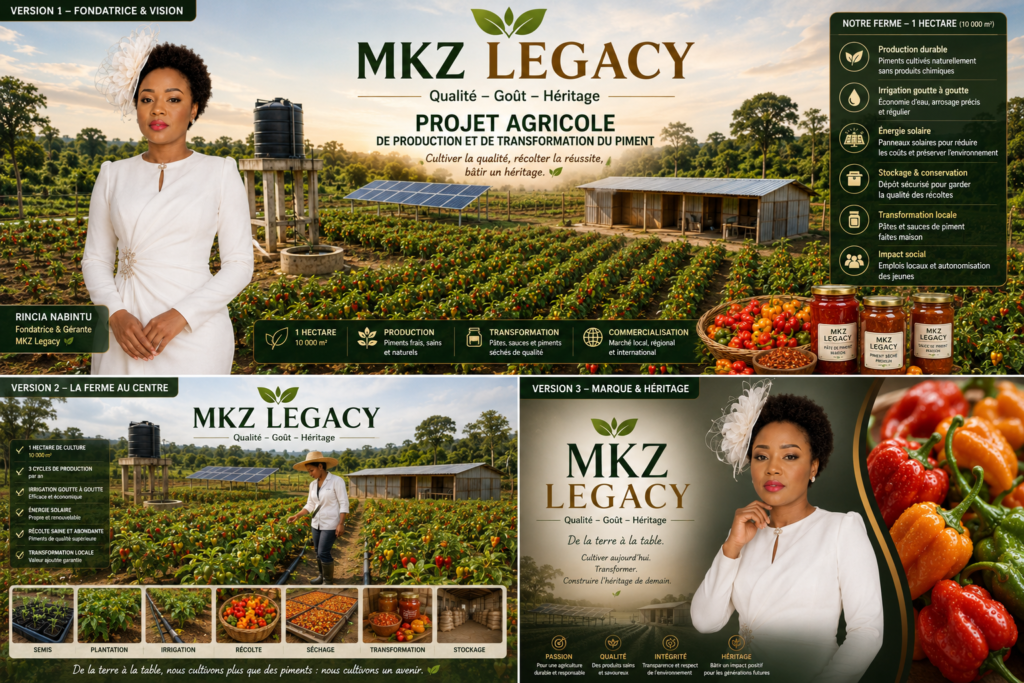
Introduction to MKZ Legacy Farm MKZ Legacy Farm is an agricultural business focused on chili farming and chili sauce production. The brand aims to connect local agriculture with quality food processing. Through this approach, MKZ Legacy seeks to create value from locally grown chili peppers. Moreover, the business aims to serve households, restaurants, retailers, and food distributors. Its vision combines agricultural development, entrepreneurship, and local food production. By focusing on chili products, MKZ Legacy can contribute to the growing demand for convenient cooking ingredients. Chili Farming at MKZ Legacy Farm Chili farming is the foundation of MKZ Legacy’s business model. The farm focuses on growing chili peppers that can supply fresh produce for food preparation and processing. Successful chili cultivation requires proper soil preparation, suitable seeds, and consistent crop management. Additionally, farmers must monitor irrigation, weeds, pests, and plant diseases. These practices help improve crop health and support better harvests. Furthermore, careful harvesting helps preserve chili quality. Farmers must select mature peppers and handle them properly after picking. Consequently, good agricultural practices can reduce waste and provide better raw materials for sauce production. MKZ Legacy Farm aims to develop a reliable supply of fresh chili peppers. This approach can also support local agricultural entrepreneurship and create opportunities for future growth. Chili Sauce Production and Processing Chili sauce production transforms fresh chili peppers into a convenient product for everyday cooking. It also creates an opportunity to add value to agricultural produce. At MKZ Legacy, the production process can begin with carefully selected, fresh chili peppers. Workers then sort the peppers and remove damaged produce. Next, they wash the peppers using potable water and prepare them for processing. The ingredients are then measured and processed according to a consistent recipe. Depending on the product, additional ingredients may include vinegar, salt, garlic, or other seasonings. The formulation determines the sauce’s flavor, texture, and acidity. After processing, the sauce must undergo appropriate safety and quality checks. The producer should validate the recipe, processing method, and packaging requirements before commercial distribution. Finally, the finished sauce can be packed in clean, suitable containers and labeled correctly. These steps help establish consistency between production batches. They also support consumer confidence and a professional brand image. Quality Control and Food Safety Quality control is essential for any successful chili sauce business. Consumers expect products that taste good and meet appropriate food safety standards. Therefore, MKZ Legacy should prioritize hygienic production practices throughout the manufacturing process. This includes clean equipment, safe water, proper ingredient storage, and controlled handling. In addition, the business should establish a validated process for controlling acidity and microbial risks. Appropriate testing and processing controls help determine whether the sauce is safe for its intended shelf life. Packaging also plays an important role in product quality. Suitable containers help protect the sauce during storage and transportation. Clear labels should include ingredients, net quantity, production information, storage instructions, and the required date markings. By maintaining these standards, MKZ Legacy can build a strong foundation for responsible food production. MKZ Legacy Chili Sauce Products Chili sauce offers several opportunities for product development. MKZ Legacy can explore different flavors and heat levels to meet diverse consumer preferences. For example, the brand could develop a classic hot chili sauce for everyday meals. A garlic chili sauce could appeal to consumers who enjoy richer flavors. Meanwhile, a mild chili sauce could serve customers who prefer less heat. Additionally, different container sizes could serve different markets. Small bottles may suit individual households, while larger containers could appeal to restaurants and food businesses. However, each new product should undergo appropriate recipe development, safety validation, and consumer testing. This process helps the business identify products that meet market expectations. Market Opportunities for Chili Sauce in the DRC The Democratic Republic of Congo offers opportunities for agricultural businesses that connect local production with food processing. Chili sauce can serve households, restaurants, supermarkets, neighborhood shops, and food vendors. Moreover, locally produced sauces can offer consumers convenient alternatives to preparing chili ingredients from scratch. A recognizable brand, consistent flavor, and reliable quality can help differentiate MKZ Legacy from competitors. Digital marketing can also support the brand’s growth. Social media platforms can showcase farm activities, production methods, recipes, and product demonstrations. Furthermore, customer feedback can help the business understand preferences and improve its products. MKZ Legacy can gradually expand its distribution through direct sales and partnerships with retailers. However, pricing, packaging, and distribution strategies should reflect production costs and customer demand. Sustainability and Local Economic Development Combining chili farming with sauce production can help reduce the gap between agricultural production and food manufacturing. Instead of selling only fresh peppers, the business can explore additional value through processing. Furthermore, careful production planning can help reduce avoidable food waste. Suitable processing methods may allow the business to use marketable peppers that meet its quality requirements but are less attractive for fresh retail sales. As the business grows, it may create opportunities for local workers, farmers, suppliers, and distributors. It can also encourage practical agricultural skills and small-business development. Responsible water use, efficient resource management, and appropriate waste disposal should remain important priorities. The Future Vision of MKZ Legacy Farm MKZ Legacy Farm aims to build a business that connects agriculture, food processing, and entrepreneurship. Chili farming provides the raw materials, while sauce production creates opportunities for product development and market expansion. In the future, the business could explore improved farming methods, new sauce varieties, stronger distribution networks, and expanded production capacity. However, sustainable growth will depend on consistent quality, food safety, sound financial planning, and customer satisfaction. Ultimately, MKZ Legacy Farm seeks to turn locally grown chili peppers into valuable food products. By developing its farming and processing activities together, the brand can work toward a distinctive position in the local food market. Conclusion MKZ Legacy Farm represents an opportunity to combine chili cultivation with chili sauce production. Through careful farming, responsible processing, and effective marketing, the business can develop products for everyday consumers and commercial customers. Furthermore, a
Digital Marketing in Kenya

Digital marketing in Kenya has become essential for businesses seeking growth, visibility, and customer engagement. Today, companies use digital platforms to connect with customers and increase sales. Moreover, small businesses can compete with established brands through effective online marketing strategies. Kenya’s growing digital economy creates opportunities for entrepreneurs, startups, and established companies. Therefore, businesses must develop strategies that attract potential customers and build lasting relationships. With the right approach, digital marketing can improve brand awareness and increase revenue. What Is Digital Marketing in Kenya? Digital marketing involves promoting products and services through online platforms. These platforms include search engines, social media, websites, email, and digital advertising networks. In Kenya, businesses use digital marketing to reach customers across different regions. For example, retailers promote products through Facebook and Instagram. Meanwhile, service providers use Google Search to attract customers actively seeking their services. Additionally, digital marketing allows businesses to measumpaign performance. Marketers can track website visits, customer inquiries, sales, and advertising costs. Consequently, businesses can identify successful campaigns and improve underperforming strategies. 1. Search Engine Optimization (SEO) Search engine optimization helps websites appear in relevant search engine results. It allows businesses to attract people searching for specific products or services. For instance, a Nairobi-based company can target keywords such as “best digital marketing agency in Kenya.” With relevant content and optimized web pages, the company can improve its visibility. Furthermore, effective SEO involves several important activities: Unlike paid advertising, SEO can generate organic traffic without charging for every click. However, results usually require consistent effort and time. 2. Social Media Marketing Social media marketing helps Kenyan businesses connect with customers on popular digital platforms. Facebook, Instagram, TikTok, LinkedIn, and YouTube offer different opportunities for reaching audiences. For example, a fashion store can share product photos and styling videos. Similarly, a restaurant can publish menus, customer reviews, and promotional offers. Businesses should choose platforms based on their target audiences. Moreover, they should publish valuable content consistently instead of focusing exclusively on sales. Successful social media marketing includes engaging captions, attractive visuals, relevant hashtags, and clear calls to action. Businesses should also respond promptly to comments and direct messages. As a result, consistent engagement can strengthen customer relationships and encourage repeat purchases. 3. Google Ads and Paid Online Advertising Google Ads enables businesses to display advertisements to people searching for relevant products or services. Advertisers can target specific keywords, locations, and customer groups. For instance, a plumbing company in Nairobi can target people searching for emergency plumbing services. This approach helps the company reach potential customers with immediate needs. Additionally, Facebook and Instagram advertising can help businesses generate leads and promote products. Marketers can create campaigns based on location, interests, demographics, and other available targeting options. However, businesses should establish clear campaign objectives before spending money. They should also monitor cost per click, conversion rate, and return on advertising spend. Consequently, regular campaign optimization can reduce wasted expenditure and improve marketing performance. 4. Content Marketing for Business Growth Content marketing attracts and educates potential customers through useful information. Businesses can publish blog articles, videos, infographics, guides, and social media posts. For example, a Kenyan real estate company can publish articles about property investment. Likewise, a travel agency can share destination guides and holiday planning tips. Helpful content answers customer questions and builds trust. Furthermore, optimized articles can attract organic traffic through search engines. Businesses should develop a content calendar to maintain consistency. They should also research customer questions before creating content. Ultimately, valuable content positions a business as a useful source of information. It can also support SEO, social media marketing, and lead generation. 5. Email Marketing and Customer Retention Email marketing allows businesses to communicate directly with interested customers. Companies can send newsletters, product updates, special offers, and educational content. For example, an online store can send customers personalized product recommendations. Meanwhile, a training institution can share course updates and enrollment deadlines. However, businesses should collect email addresses with appropriate consent. They should also provide clear unsubscribe options and respect customer privacy. Effective email campaigns use relevant subject lines and useful messages. Additionally, audience segmentation helps marketers send more relevant content to different customer groups. By tracking open rates, clicks, and conversions, businesses can improve future campaigns. Therefore, email marketing can support customer retention and repeat sales. 6. Website Design and User Experience A professional website provides a central location for customers to learn about a business. It also helps companies showcase their products, services, prices, and contact information. However, an attractive website alone cannot guarantee sales. Businesses must ensure that visitors can navigate pages easily and find essential information quickly. A successful business website should include: Additionally, businesses should make inquiries and purchases simple. For example, adding WhatsApp contact options can help customers communicate conveniently. A well-designed website can strengthen credibility and support other digital marketing activities. 7. Data Analytics and Marketing Automation Data analytics helps businesses understand how customers interact with their marketing campaigns. Tools such as Google Analytics can provide insights into website traffic and user behavior. Meanwhile, advertising dashboards reveal campaign performance and conversion trends. Marketers can use these insights to identify effective channels and allocate budgets wisely. Marketing automation also helps businesses manage repetitive tasks. For example, companies can automate email sequences, lead notifications, and customer follow-ups. Furthermore, automation can improve response times and reduce manual workloads. However, businesses should regularly review automated messages to maintain accuracy and relevance. Combining analytics with automation enables marketers to make informed decisions. Consequently, businesses can improve efficiency and measure progress toward their objectives. Benefits of Digital Marketing for Kenyan Businesses Digital marketing offers several advantages for businesses operating in Kenya. First, it improves brand visibility across online platforms. Second, it helps businesses reach customers beyond their immediate locations. Third, it provides measurable performance data for better decision-making. Additionally, digital marketing supports lead generation and customer engagement. Small businesses can also begin with limited budgets and expand successful campaigns gradually. Nevertheless, results depend on strategy, competition, execution, and available resources. Businesses