Introduction to MKZ Legacy Farm
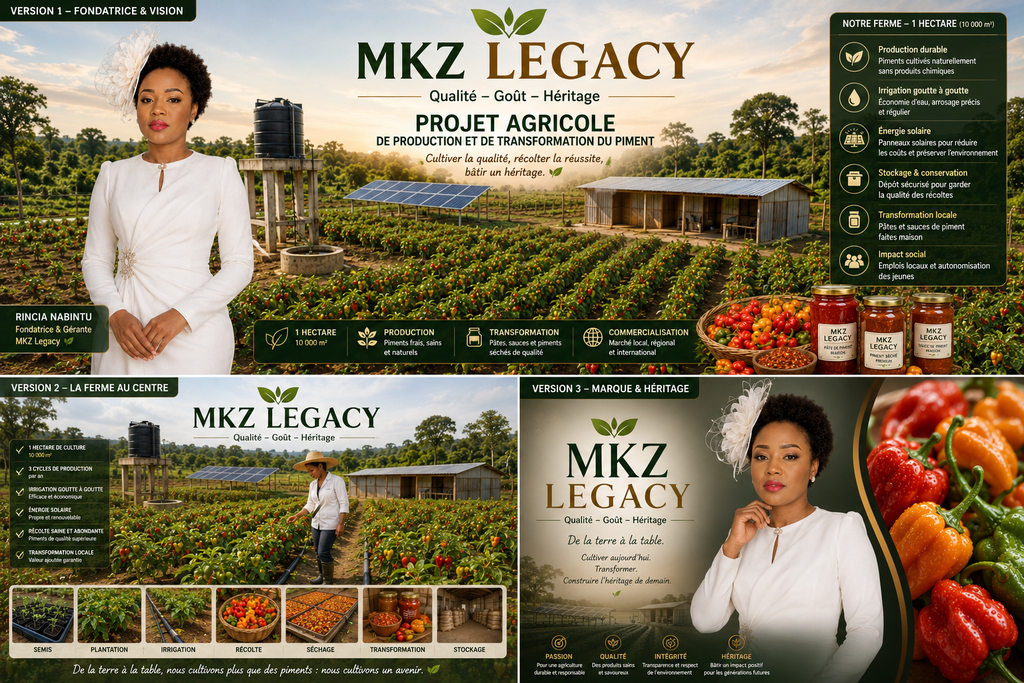
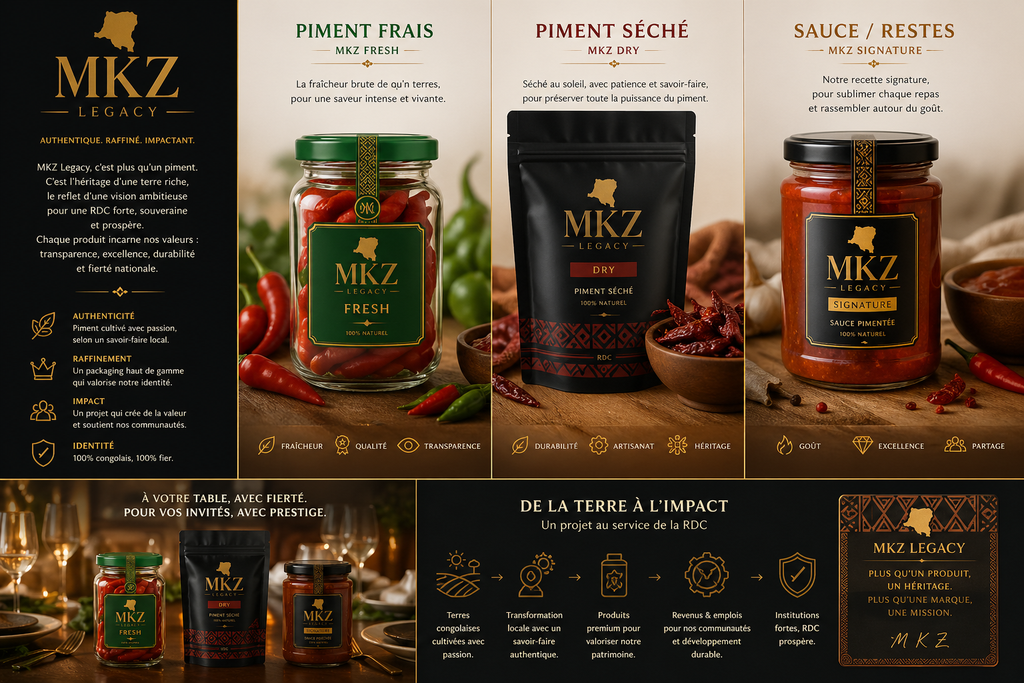
MKZ Legacy Farm is an agricultural business focused on chili farming and chili sauce production. The brand aims to connect local agriculture with quality food processing. Through this approach, MKZ Legacy seeks to create value from locally grown chili peppers.
Moreover, the business aims to serve households, restaurants, retailers, and food distributors. Its vision combines agricultural development, entrepreneurship, and local food production. By focusing on chili products, MKZ Legacy can contribute to the growing demand for convenient cooking ingredients.
Chili Farming at MKZ Legacy Farm
Chili farming is the foundation of MKZ Legacy’s business model. The farm focuses on growing chili peppers that can supply fresh produce for food preparation and processing.
Successful chili cultivation requires proper soil preparation, suitable seeds, and consistent crop management. Additionally, farmers must monitor irrigation, weeds, pests, and plant diseases. These practices help improve crop health and support better harvests.
Furthermore, careful harvesting helps preserve chili quality. Farmers must select mature peppers and handle them properly after picking. Consequently, good agricultural practices can reduce waste and provide better raw materials for sauce production.
MKZ Legacy Farm aims to develop a reliable supply of fresh chili peppers. This approach can also support local agricultural entrepreneurship and create opportunities for future growth.
Chili Sauce Production and Processing
Chili sauce production transforms fresh chili peppers into a convenient product for everyday cooking. It also creates an opportunity to add value to agricultural produce.
At MKZ Legacy, the production process can begin with carefully selected, fresh chili peppers. Workers then sort the peppers and remove damaged produce. Next, they wash the peppers using potable water and prepare them for processing.
The ingredients are then measured and processed according to a consistent recipe. Depending on the product, additional ingredients may include vinegar, salt, garlic, or other seasonings. The formulation determines the sauce’s flavor, texture, and acidity.
After processing, the sauce must undergo appropriate safety and quality checks. The producer should validate the recipe, processing method, and packaging requirements before commercial distribution. Finally, the finished sauce can be packed in clean, suitable containers and labeled correctly.
These steps help establish consistency between production batches. They also support consumer confidence and a professional brand image.
Quality Control and Food Safety
Quality control is essential for any successful chili sauce business. Consumers expect products that taste good and meet appropriate food safety standards.
Therefore, MKZ Legacy should prioritize hygienic production practices throughout the manufacturing process. This includes clean equipment, safe water, proper ingredient storage, and controlled handling.
In addition, the business should establish a validated process for controlling acidity and microbial risks. Appropriate testing and processing controls help determine whether the sauce is safe for its intended shelf life.
Packaging also plays an important role in product quality. Suitable containers help protect the sauce during storage and transportation. Clear labels should include ingredients, net quantity, production information, storage instructions, and the required date markings.
By maintaining these standards, MKZ Legacy can build a strong foundation for responsible food production.
MKZ Legacy Chili Sauce Products
Chili sauce offers several opportunities for product development. MKZ Legacy can explore different flavors and heat levels to meet diverse consumer preferences.
For example, the brand could develop a classic hot chili sauce for everyday meals. A garlic chili sauce could appeal to consumers who enjoy richer flavors. Meanwhile, a mild chili sauce could serve customers who prefer less heat.
Additionally, different container sizes could serve different markets. Small bottles may suit individual households, while larger containers could appeal to restaurants and food businesses.
However, each new product should undergo appropriate recipe development, safety validation, and consumer testing. This process helps the business identify products that meet market expectations.
Market Opportunities for Chili Sauce in the DRC
The Democratic Republic of Congo offers opportunities for agricultural businesses that connect local production with food processing. Chili sauce can serve households, restaurants, supermarkets, neighborhood shops, and food vendors.
Moreover, locally produced sauces can offer consumers convenient alternatives to preparing chili ingredients from scratch. A recognizable brand, consistent flavor, and reliable quality can help differentiate MKZ Legacy from competitors.
Digital marketing can also support the brand’s growth. Social media platforms can showcase farm activities, production methods, recipes, and product demonstrations. Furthermore, customer feedback can help the business understand preferences and improve its products.
MKZ Legacy can gradually expand its distribution through direct sales and partnerships with retailers. However, pricing, packaging, and distribution strategies should reflect production costs and customer demand.
Sustainability and Local Economic Development
Combining chili farming with sauce production can help reduce the gap between agricultural production and food manufacturing. Instead of selling only fresh peppers, the business can explore additional value through processing.
Furthermore, careful production planning can help reduce avoidable food waste. Suitable processing methods may allow the business to use marketable peppers that meet its quality requirements but are less attractive for fresh retail sales.
As the business grows, it may create opportunities for local workers, farmers, suppliers, and distributors. It can also encourage practical agricultural skills and small-business development.
Responsible water use, efficient resource management, and appropriate waste disposal should remain important priorities.
The Future Vision of MKZ Legacy Farm
MKZ Legacy Farm aims to build a business that connects agriculture, food processing, and entrepreneurship. Chili farming provides the raw materials, while sauce production creates opportunities for product development and market expansion.
In the future, the business could explore improved farming methods, new sauce varieties, stronger distribution networks, and expanded production capacity. However, sustainable growth will depend on consistent quality, food safety, sound financial planning, and customer satisfaction.
Ultimately, MKZ Legacy Farm seeks to turn locally grown chili peppers into valuable food products. By developing its farming and processing activities together, the brand can work toward a distinctive position in the local food market.
Conclusion
MKZ Legacy Farm represents an opportunity to combine chili cultivation with chili sauce production. Through careful farming, responsible processing, and effective marketing, the business can develop products for everyday consumers and commercial customers.
Furthermore, a commitment to quality, food safety, and customer needs can support long-term growth. With a clear strategy and consistent execution, MKZ Legacy can build a recognizable brand while contributing to local agricultural development.