Mechanical engineering is one of the oldest and most versatile engineering disciplines. It focuses on designing, developing, manufacturing, and maintaining mechanical systems. Moreover, it combines science, mathematics, technology, and creativity to solve practical problems.
Today, mechanical engineering supports nearly every major industry. These include manufacturing, automotive, construction, aerospace, energy, and healthcare. Consequently, mechanical engineers play an essential role in technological advancement.
As industries continue embracing innovation, mechanical engineering remains increasingly important. It provides practical solutions that improve productivity, efficiency, and everyday life.
What Does Mechanical Engineering Involve?
Mechanical engineering covers several technical areas. These include mechanics, thermodynamics, fluid dynamics, materials science, and machine design.
Mechanical engineers use these principles to develop reliable products and equipment. For example, they design engines, industrial machines, heating systems, and manufacturing equipment.
Furthermore, they analyse mechanical systems to identify performance problems. They also recommend improvements that increase safety and efficiency.
Computer-aided design software helps engineers create accurate technical drawings. Additionally, simulation tools allow them to test designs before production.
Major Branches of Mechanical Engineering
Mechanical engineering offers several specialised career paths. Each branch addresses different technological and industrial requirements.
1. Automotive Engineering
Automotive engineering focuses on designing and improving vehicles. Engineers develop engines, transmissions, suspension systems, and braking technologies.
Furthermore, electric vehicles have created new opportunities. Engineers now develop battery systems, electric motors, and energy-efficient transportation solutions.
2. Manufacturing Engineering
Manufacturing engineering involves developing efficient production processes. Professionals design production equipment and improve factory operations.
Moreover, automation helps manufacturers increase production speed. Robotics and advanced machinery also reduce operational costs.
3. Thermal Engineering
Thermal engineering focuses on heat transfer and energy management. Engineers develop refrigeration systems, boilers, turbines, and air conditioning equipment.
Consequently, this specialisation supports industries requiring temperature control. It also contributes to energy conservation and environmental sustainability.
4. Robotics and Automation
Robotics combines mechanical engineering with electronics and computer programming. Engineers develop automated machines that perform repetitive or complex tasks.
Additionally, robotics improves accuracy and workplace safety. Industries increasingly depend on automation to improve operational efficiency.
5. Aerospace Engineering
Aerospace engineering involves developing aircraft and spacecraft systems. Engineers work on propulsion, aerodynamics, structural design, and flight technologies.
Therefore, this branch supports aviation, defence, and space exploration.
Essential Skills for Mechanical Engineers
Successful mechanical engineers require strong technical and practical abilities. They must also communicate effectively and solve complex problems.
Important skills include:
- Mathematical skills: Engineers use mathematics for calculations and technical analysis.
- Problem-solving: They identify mechanical challenges and develop effective solutions.
- Computer skills: CAD, CAM, and simulation software support modern engineering.
- Technical drawing: Engineers interpret and produce detailed engineering designs.
- Project management: They coordinate resources, budgets, and project deadlines.
- Communication: They explain technical information to colleagues and clients.
- Creativity: They develop innovative solutions for engineering challenges.
Furthermore, continuous learning helps engineers remain competitive. Technology changes rapidly, making professional development increasingly valuable.
Importance of Mechanical Engineering in Modern Industries
Mechanical engineering contributes significantly to economic and industrial development. It supports infrastructure, transportation, manufacturing, and energy production.
In manufacturing, engineers improve production efficiency. Consequently, businesses reduce waste and increase product quality.
In transportation, mechanical engineers develop safer vehicles. They also improve fuel efficiency and alternative energy technologies.
Meanwhile, the energy sector depends on mechanical engineering expertise. Engineers design turbines, pumps, generators, and renewable energy equipment.
Healthcare also benefits from mechanical engineering innovations. These include prosthetic devices, medical equipment, and specialised hospital machinery.
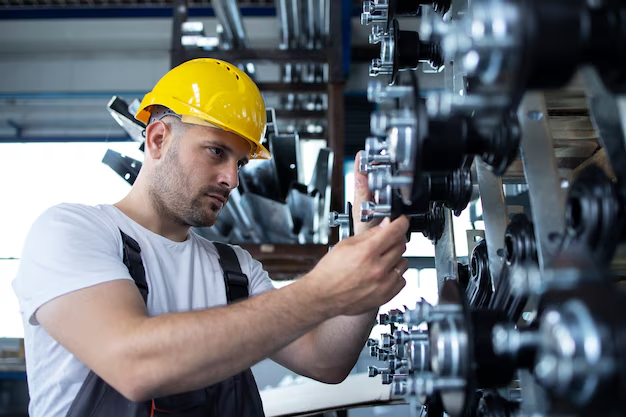
Mechanical Engineering Careers and Job Opportunities
Mechanical engineering offers diverse employment opportunities. Graduates can work in private companies, government institutions, and international organisations.
Common career opportunities include:
- Mechanical design engineer.
- Automotive engineer.
- Production engineer.
- Maintenance engineer.
- Quality control engineer.
- Manufacturing engineer.
- Project engineer.
- Robotics engineer.
- Energy systems engineer.
- HVAC engineer.
Additionally, experienced professionals can establish engineering consultancy businesses. Others pursue research, teaching, or industrial management.
In Kenya, opportunities exist across manufacturing, construction, energy, transport, and infrastructure development. Furthermore, industrial expansion continues creating demand for technical expertise.
The Role of Technology in Mechanical Engineering
Technology continues transforming modern mechanical engineering. Engineers increasingly use digital tools to improve design accuracy and productivity.
Computer-aided design enables precise three-dimensional modelling. Similarly, computer-aided manufacturing improves production planning and machining processes.
Artificial intelligence also supports predictive maintenance. It helps identify equipment problems before serious breakdowns occur.
Furthermore, 3D printing enables engineers to manufacture complex components. This technology reduces material waste and supports rapid prototyping.
Smart manufacturing systems also connect machines through industrial automation. Consequently, factories can monitor performance and improve production decisions.
Challenges Facing Mechanical Engineers
Despite its opportunities, mechanical engineering faces several challenges. Engineers must manage increasing technical complexity and changing industry requirements.
High equipment costs can also limit industrial development. Additionally, businesses require skilled professionals to operate advanced technologies.
Environmental sustainability presents another important challenge. Engineers must develop systems that consume fewer resources and produce less pollution.
However, continuous research and innovation provide practical solutions. Professional training also helps engineers overcome emerging technical challenges.
Future Opportunities in Mechanical Engineering
The future of mechanical engineering looks promising. Emerging technologies continue creating new areas of specialisation.
Electric mobility will increase demand for advanced vehicle technologies. Meanwhile, renewable energy will require efficient mechanical systems.
Robotics and artificial intelligence will also transform manufacturing. Additionally, smart infrastructure will create opportunities for innovative engineering solutions.
Sustainable product development will remain another important priority. Engineers will increasingly focus on energy efficiency and environmentally responsible materials.
Conclusion
Mechanical engineering remains essential to technological and industrial development. It connects scientific knowledge with practical engineering solutions.
From automotive systems to renewable energy, its applications are extensive. Moreover, technological innovation continues expanding career opportunities.
Students pursuing mechanical engineering can access diverse professional pathways. Ultimately, the discipline offers opportunities to solve problems and shape the future of technology.