Best Crops to Grow for Profit in Kenya
Agriculture remains an important source of income and employment in Kenya. Many farmers grow crops for local markets, supermarkets, processors, and export businesses. However, choosing the right crop can make a significant difference to farm profitability.
The best crops to grow for profit in Kenya depend on climate, soil conditions, water availability, and market demand. Furthermore, farmers should consider production costs, transport, and the time required before harvesting. This guide explores ten crops that Kenyan farmers can consider for commercial farming.
1. Tomatoes
Tomatoes are popular in Kenyan households, restaurants, hotels, and food businesses. Consequently, farmers can find markets in many towns and cities. Tomatoes can also provide income within a relatively short growing period under suitable conditions.
However, tomato farming requires careful management. Farmers must control pests, diseases, and irrigation. Additionally, tomatoes spoil quickly after harvesting. Therefore, identifying reliable buyers before planting can help reduce losses.
2. Onions
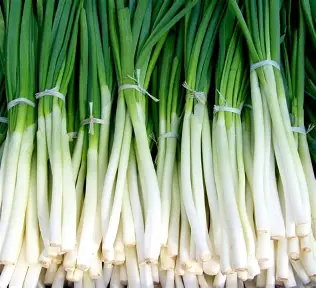
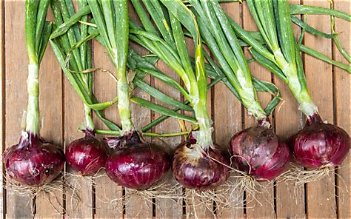
Onions are widely used in Kenyan cooking. Households, restaurants, retailers, and food processors create demand throughout the year. Moreover, properly cured onions can last longer than many fresh vegetables.
Farmers should choose suitable onion varieties for their regions. They must also prepare well-drained soil and manage water carefully. Before planting, compare local market prices and the expected harvest period.
3. Potatoes
Irish potatoes are important food crops in Kenya. They supply households, hotels, restaurants, and food-processing businesses. In suitable highland areas, potato farming can offer opportunities for commercial production.
Nevertheless, farmers should use certified seed potatoes where available. Crop rotation and disease management are also essential. In addition, identify buyers who need particular potato sizes and varieties before investing.
4. Horticultural Vegetables
Kale, spinach, cabbage, and indigenous vegetables are popular choices for small-scale farmers. They can supply local markets, grocery shops, schools, and restaurants. Some leafy vegetables also allow repeated harvesting, depending on the crop.
However, profitability depends on consistent production and market access. Farmers need reliable water and effective pest control. Furthermore, staggered planting can help provide regular supplies instead of harvesting everything at once.
5. Watermelon
Watermelon can be suitable for farmers with warm conditions and enough land. The crop supplies fruit vendors, open-air markets, supermarkets, and individual consumers. Additionally, watermelon can mature within a few months under favourable growing conditions.
However, the crop needs suitable soil, adequate moisture, and proper spacing. Farmers should also plan transportation because mature watermelons are bulky. Before planting, confirm demand and estimate delivery costs to nearby markets.
6. Avocados
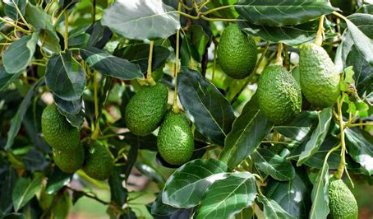
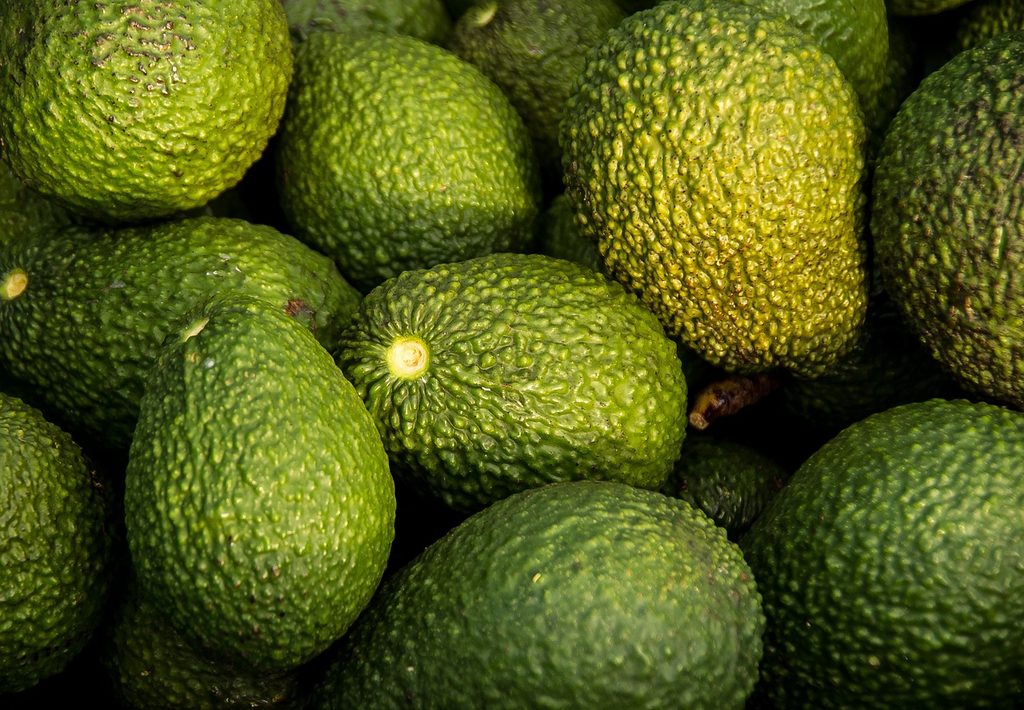
Avocados offer opportunities for both domestic and export markets. Kenyan farmers can sell fruit to traders, retailers, and approved exporters. Furthermore, established avocado trees can produce fruit for several years when properly managed.
However, avocado farming requires patience. Trees take time to mature and begin producing commercial harvests. Farmers should select varieties suited to their locations and investigate buyer requirements before establishing an orchard.
7. Passion Fruit
Passion fruit is used in juices, desserts, and fresh-fruit sales. It can be grown commercially in suitable parts of Kenya. Moreover, juice processors and fresh-produce traders may provide potential markets.
Successful production requires suitable varieties, strong support structures, and effective disease control. Farmers should also consider the cost of seedlings, trellises, fertilisers, and labour. Reliable buyers can help reduce the risk of unsold fruit.
8. French Beans
French beans are grown for local consumption and export markets. They can offer opportunities for farmers who meet strict quality requirements. However, export production may require contracts, traceability, and compliance with food safety standards.
Farmers should confirm market access before planting. They must also organise harvesting and transport carefully because the crop is perishable. Working with reputable buyers can help clarify prices, grading rules, and delivery schedules.
9. Garlic
Garlic is used in homes, restaurants, and food businesses. It may offer opportunities where local demand exceeds available supplies. Additionally, properly dried and stored garlic can remain usable longer than many fresh crops.
However, garlic requires suitable planting material and careful crop management. Farmers should research locally adapted varieties and the cost of production. They should also confirm whether buyers prefer local garlic or imported alternatives.
10. Herbs and Culinary Spices
Herbs such as coriander, basil, and mint can serve restaurants, hotels, retailers, and specialist markets. Some farmers can also explore supplying packaged-herb businesses. These crops may suit smaller plots when water and market access are available.
Nevertheless, herbs require consistent quality and careful handling. Some varieties need frequent harvesting and rapid delivery. Therefore, farmers should establish relationships with buyers before expanding production.
How to Choose the Most Profitable Crop in Kenya
Choosing a crop requires more than looking at its selling price. Farmers should compare the expected income against all production and marketing expenses.
Consider these important factors:
- Climate: Choose crops suited to your area’s rainfall and temperatures.
- Soil: Test your soil to understand its fertility and drainage.
- Water: Confirm that you have enough water throughout the growing season.
- Market demand: Speak with traders, retailers, cooperatives, and processors.
- Production costs: Budget for seeds, fertilisers, labour, irrigation, and pest control.
- Storage and transport: Consider how quickly the crop spoils and the cost of delivery.
- Growing period: Decide whether you need quick returns or can wait for an established orchard.
Furthermore, calculate your expected profit before investing. Subtract all production, harvesting, packaging, transport, and marketing expenses from your expected sales revenue.
Conclusion
Several crops can offer commercial farming opportunities in Kenya, including tomatoes, onions, potatoes, vegetables, watermelons, avocados, passion fruit, French beans, garlic, and culinary herbs.
However, no crop guarantees a profit. The best choice depends on local conditions, production costs, market access, and farming skills. Therefore, research your market and prepare a realistic budget before planting.
With careful planning and good crop management, farmers can build sustainable agricultural businesses and improve their household incomes.